
Location Targeting
Leverage geographic locations to reach the right people in the right place
Location Targeting allows your ads to appear in the geographies you choose: country, region, city, or radius around a location.
Geographic Targeting
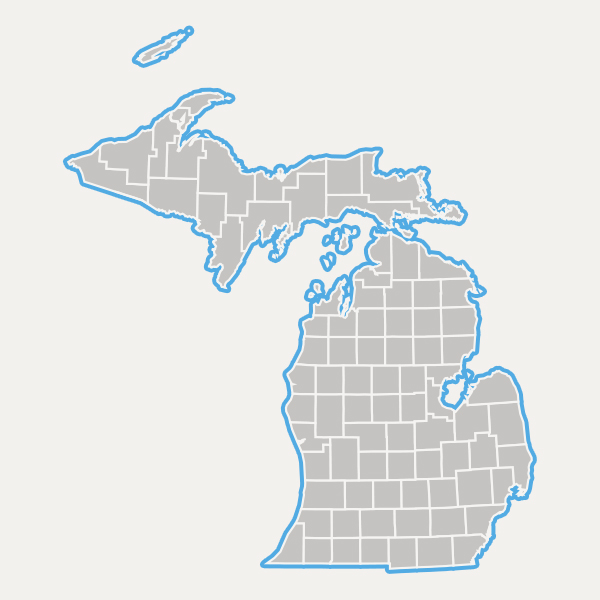
Reach users in key geographic locations by country, state or province, city, zip or postal code, or designated market area (DMA).
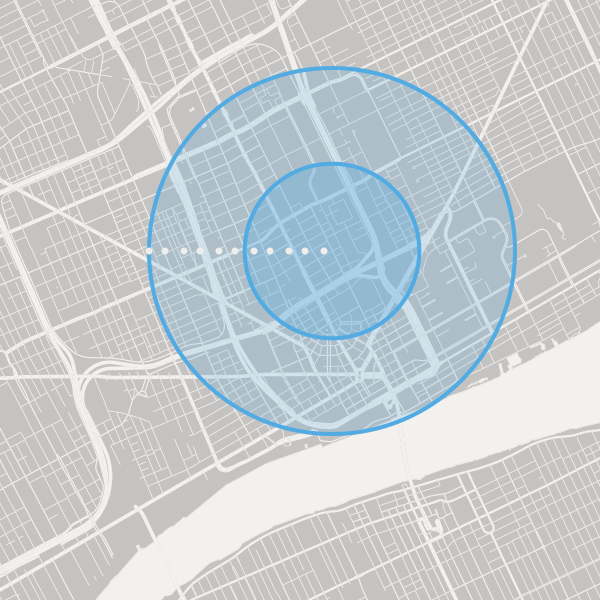
Geo Radius Targeting
Leverage a list of addresses or lat/long coordinates, customizing your radius down to the mile or kilometer to target users in mobile in-app environments.
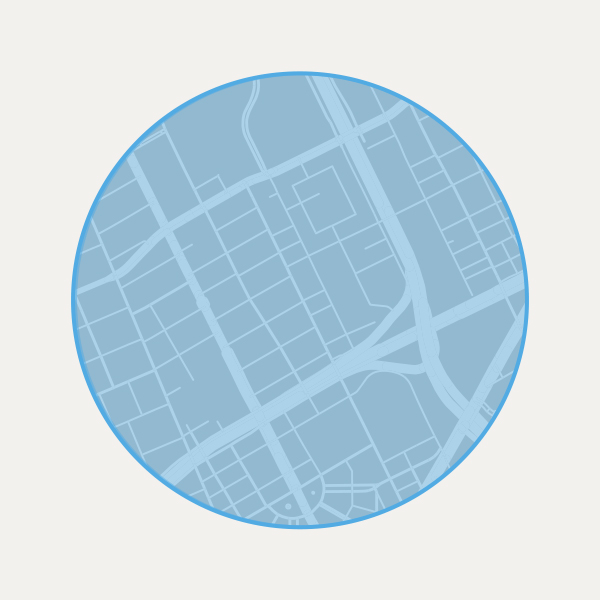
Geo Radius Retargeting
Users who visit key locations can be passively stored and then retargeted later. This information allows you to find the best time to send a message.
Reach your target audience
Use it to target the area surrounding your brick-and-mortar location(s).
Good for:
- Local audiences
- Targeting people during and after their visit to a particular location
- Leveraging foot traffic from local landmarks
- Timely offers and creative messaging
Keep in mind:
- Consumers might already be interested if they are in and around your location
- Urban targeting will reach a greater number of people, while rural locations will require a broader geographic scope to achieve scale
Example: A fast-casual food establishment advertising a discount within their delivery area
Target areas of interest
Use it to target an area where your audience could shop, visit, or work.
Good for:
- B2C general interest areas such as shopping malls or event venues
- B2B office locations and corporate campuses
- Conferences and trade shows: Create a geo radius around high-level events and capture attendee device IDs for retargeting at a later date
Keep in mind:
- You will also be capturing people who happen to be in the area who are not specifically interested
Example: A popular tourist attraction or key point of interest advertising to drive foot traffic and increase awareness
Target your competition
Use it to target an area surrounding your competitors.
Good for:
- Capturing prospects who are visiting a competitor’s brick-and-mortar location
- Advertising to prospects attending a competitor’s event or conference
Keep in mind:
- You may also be targeting your competitors themselves
Example: A major coffee chain targeting a competitor’s locations to acquire new customers
Intersect location with demographics and behavior
Good for:
- Intersecting location and demographic data, such as income level in zip codes
- Layering an intent-based, custom audience segment with location data
Keep in mind:
- Always check for scale when layering on more precise targeting
Example: Target everyone who is reading about the latest shoe trends and who has been within a certain radius of your store in the last 7 days
The power of Location Targeting
 Hyper-local, targeted focus
 Custom, relevant advertising
 Greater overall engagement
 Know where your ads hit home
Measure the Impact of location campaigns with Footfall Attribution
Footfall Attribution is the method used to relate mobile campaign impressions or conversions to actual store visits.
Measuring foot traffic is key for any successful brick-and-mortar location, as it connects the digital world with online behaviors. Footfall Attribution also provides the data you need to develop a strategy to increase in-store visits from your online campaigns over time. For example, measure when a customer has visited your business after being served a digital ad.